
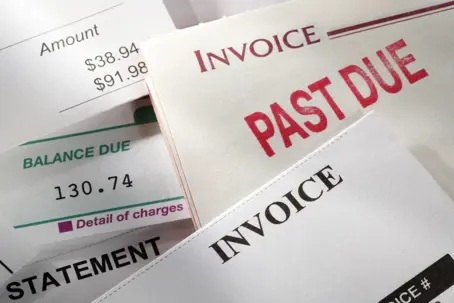
The word “warrant” sounds criminal, but a Virginia Warrant in Debt isn’t an arrest warrant or a criminal charge. It’s the court document used to start a civil lawsuit over money, often involving a credit card, loan, or medical bill.
The date on the papers matters more than the document’s name. First, identify the court, case number, plaintiff, amount claimed, and return date listed on the lawsuit.
A Warrant in Debt Starts a Civil Court Case
This filing starts a civil case, usually in Virginia General District Court. It requires the person being sued to appear and answer the plaintiff’s claim on the stated date, which must be within 90 days of service.
Check whether the document is an actual court filing. Authentic papers should include:
- The name of a Virginia court
- A case number and the plaintiff’s name
- A hearing date and time
- A judge’s name or clerk’s signature
A collection letter, even one that uses threatening language, isn’t the same as a filed lawsuit. Compare the plaintiff and account information with your records. The plaintiff may be the original creditor or a debt buyer claiming it acquired the account. Keep the papers with account statements, payment records, contracts, collection correspondence, and any documentation related to identity theft.
The Return Date Determines Your First Step
For most debt warrants filed in General District Court, you generally don’t file a written answer before the return date. You must appear on the date printed on the document. Missing that date can allow the plaintiff to seek a judgment without hearing your side of the dispute.
A case in Circuit Court follows different rules. A defendant served with a Circuit Court lawsuit generally has 21 days from service to file a written answer, so don’t assume every debt case uses the General District Court process.
Before the return date, review whether the claimed balance is accurate, whether the plaintiff has records connecting you to the account, and whether it has the right to collect. Also consider the statute of limitations, which is the deadline for filing a lawsuit. Virginia generally allows five years for a written contract signed by the person charged and three years for an unwritten or unsigned contract.
Prepare for court by taking these steps:
- Bring the court papers and records related to the account.
- Check the amount claimed against your payment history and statements.
- Determine whether the account could involve identity theft, mistaken identity, or an old debt.
- Keep the return date on your calendar and plan to arrive before the listed time.
General District Court has exclusive jurisdiction over money claims of $4,500 or less. It shares jurisdiction with Circuit Court for claims above $4,500 through $50,000, although the document you received and the court named on it control the response process.
A Judgment Opens the Door to Collection Action
If you don’t appear and the plaintiff proves its claim, the court can enter a default judgment. This is a court decision entered without the defendant’s participation, not an immediate arrest or automatic loss of wages.
A judgment gives the creditor access to court-enforced collection tools, including wage garnishment, bank account garnishment, and a lien against property. A garnishment summons also involves your employer or financial institution, known as the garnishee, and you should receive notice of the proceeding.
Virginia generally limits wage garnishment to the lesser of 25% of disposable earnings or the amount by which disposable earnings exceed 40 times the applicable federal or Virginia minimum hourly wage. Exemptions and the details of each garnishment matter, so review every post-judgment paper promptly. Responding while the case is pending gives you more time to assess the claim and choose a course of action.
Options After a Missed Hearing or Unfavorable Decision
A missed hearing or an unfavorable General District Court decision doesn’t necessarily close every door, but the deadlines are short. The appropriate step depends on whether you missed court, have a defense, want to challenge the judgment, or need to address debts you can’t realistically repay.
Motion to Set Aside
If a General District Court judgment has been entered, a party can ask the same court to set it aside and grant a new trial. The motion must be filed within 30 days of the judgment date, and the court must rule within 45 days. Once the ordinary 30-day period has passed, Virginia law sharply limits relief to specific grounds, including a void judgment, fraud on the court, accord and satisfaction, or qualifying servicemember status.
Appeal to Circuit Court
A civil General District Court judgment over $20 can generally be appealed to Circuit Court within 10 days of judgment. The Circuit Court hears the case de novo, meaning it conducts a new trial rather than simply reviewing the earlier decision for errors. Appeal bond, writ tax, and cost requirements generally must be handled within 30 days of judgment, subject to indigency rules.
Don’t confuse the 10-day appeal deadline with the 30-day period for a motion to set aside. Read the judgment date on the court paperwork carefully. Wage or bank garnishment papers can carry separate deadlines and opportunities to respond.
Match the Response to the Debt Problem
A single lawsuit may involve a dispute over one account, or it may be part of broader financial pressure involving several creditors, past-due bills, and existing collection actions. Choosing a response starts with reviewing both the claim and the full financial picture.
Through our Collection Lawsuit Defense service, we evaluate issues such as an expired limitations period, inadequate documentation from the plaintiff, identity theft, and Fair Debt Collection Practices Act violations. When a strong defense isn’t available, a negotiated lump-sum settlement for less than the claimed balance may be an option for someone with funds available for that purpose.
Bankruptcy addresses debts that can’t be managed through a defense or settlement in one case. Filing a bankruptcy petition triggers the automatic stay, a legal injunction that generally stops creditors from taking actions such as:
- Starting or continuing collection lawsuits
- Garnishing wages
- Repossessing property
- Pursuing foreclosure
We assess whether Chapter 7 bankruptcy or Chapter 13 fits a person’s financial circumstances. Court deadlines remain important until a legal filing or another qualified response changes the case’s status.
Let the Dates on Your Court Papers Set the Timeline
Identify the court and return date, preserve the records connected to the account, and review your options before a judgment or garnishment notice arrives. Whether you need to dispute the lawsuit, seek a resolution, appeal to Circuit Court, or address broader debt pressure, the dates on the papers should guide your next move.